
Lead poisoning isn’t loud or obvious. It creeps in quietly, often unnoticed until real damage is done. In cities like Atlanta, where older buildings and aging infrastructure are common, the risk is higher than many realize. Children are especially vulnerable, and the long-term effects can be devastating.
At MPG Trial Law, we’re committed to helping families understand the dangers of lead exposure and fight back when negligence is to blame. If you’re facing such a situation, let us help you through the process.
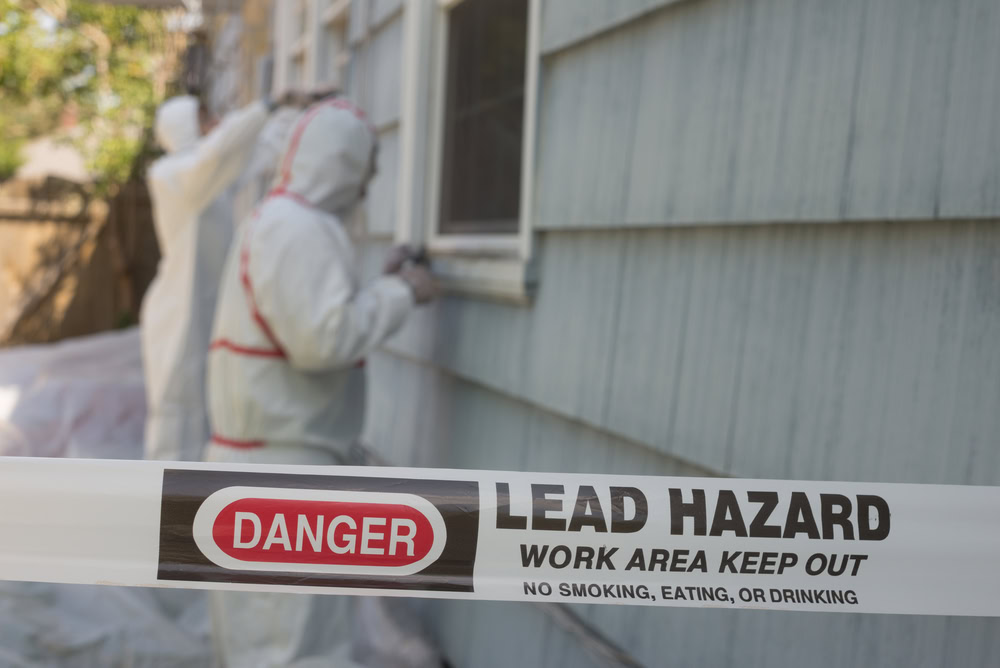
Understanding Lead Poisoning and Its Impact
Lead poisoning isn’t flashy. It doesn’t explode into the headlines like some public health crises. But it’s no less devastating. It creeps into homes and bodies quietly, usually without a warning. When it settles, especially in children, it does damage that may never be undone.
What is lead poisoning? It’s what happens when the human body absorbs lead, a naturally occurring element that has no place inside the human body. The body mistakes it for calcium. Instead of building strong bones or supporting the brain, it slowly shuts things down and remains. Lead hides in bones, in the brain, in the organs. The longer it stays, the more harm it causes.
Children are hit hardest. Their bodies are still developing. Their brains are growing. Their systems are fragile. Lead exposure, even in small amounts, can have lasting effects that no test can fully explain. Developmental delays, difficulty concentrating, and behavioral problems aren’t rare side effects. They’re common. Joint and muscle pain? High blood pressure? Unexplained mood changes or headaches? All of it can happen, and it often does.
Most parents are unaware that it’s happening. A tired child. A cranky one. Perhaps they skip meals or aren’t sleeping well. The early signs of lead poisoning look like the flu or a sleep regression. Lead poisoning doesn’t knock loudly. It whispers. By the time someone figures it out, it may be too late.
This is no longer about paint chips. Yes, lead-based paint is still a serious hazard, especially in older homes, but so is the dust that flakes off windows and walls. So are lead pipes that taint drinking water, and so is soil that has absorbed decades of toxic chemicals from nearby industrial processes. Lead contamination can sit quietly in a schoolyard or seep into the bathtub of a rental apartment. It doesn’t need to be seen to do harm. It just needs to be there.
Where Lead Contamination Happens in Atlanta
Atlanta is filled with old buildings and new development. That mix creates risks, especially in neighborhoods with aging homes, outdated plumbing, and decades-old paint. Many of the homes and apartments in Atlanta were built before 1978, when lead-based materials were still widely used in construction. When those materials start to break down, lead particles end up where children eat, play, and sleep.
Rental housing is a big concern. Tenants might not know how old the property is. Landlords may not disclose past issues. Repairs get delayed. Paint chips off. Pipes leak. All of it contributes to a toxic exposure environment. Public housing is no safer, especially when units haven’t been updated. Schools? Daycares? Some are just as outdated.
Some imported toys, older ceramics, cosmetics, and even spices have tested positive for harmful chemicals, such as lead. People working near industrial sites or recycling centers may be exposed to occupational hazards. Lead gets into the air, the soil, the water, and it lingers. Once it’s in, it stays. Pregnant women exposed to it may suffer complications. Children can be born with birth defects or suffer from premature birth due to prolonged exposure.
Atlanta has seen lead scares before. Certain neighborhoods have tested at unacceptable levels for lead in soil or water. Public health departments have issued warnings. These alerts aren’t meant to scare people. They’re there to inform, to help families take action before the harm spreads. Because by the time someone gets sick, the source may have been there for years.
Legal Protections and Who Is Responsible
Thankfully, people aren’t left to deal with this alone. There are laws in place to prevent harm and hold individuals accountable when they fail to follow them. The Environmental Protection Agency sets national safety rules for lead exposure. In Georgia, those rules are backed by state regulations and local ordinances in cities like Atlanta..
Landlords, construction crews, property managers, and product manufacturers all have legal duties to prevent harm. That includes testing for lead hazards, warning residents of risks, and following safety protocols during repairs. Personal protective equipment, safe disposal, and cleanups that actually remove the hazard instead of spreading it. These are all part of what’s required. If someone skips these steps and people get hurt, they can be held responsible.
Negligence isn’t just carelessness. It’s a legal term. It means someone failed to act when they should have. A landlord who rents an apartment with peeling lead paint and never mentions it. A contractor who uses unsafe methods while renovating. A company that sells products with dangerous chemicals, knowing the risks. These aren’t accidents. These are failures to protect.
Proving a toxic exposure claim takes work. You need more than a sick child and a suspicion. You need evidence. That might include test results, maintenance logs, inspection reports, medical records, and expert evaluations. Lawyers who handle toxic tort cases know what to look for and how to build a strong case. It’s not easy, but it’s possible.
How Atlanta Lead Poisoning Lawyers Build a Case
Building a case begins with listening, understanding the full picture, and collecting the right information. A medical evaluation is often the first step. Blood tests can confirm elevated levels. Doctors document symptoms, treatments, and long-term effects. Lead exposure lawyers in Atlanta then work backward to trace the source.
Toxic exposure cases involve a team of experts. Toxicologists help connect the exposure to the health problems. Environmental experts explain how the toxic substance traveled. Pediatricians or neurologists weigh in on issues such as developmental delays, behavioral problems, and cognitive impairments. These voices give the case strength.
Evidence matters. Photos of damaged walls. Emails to landlords. Letters requesting repairs. Water test results. Soil reports. Medical bills. Notes from teachers who noticed learning problems. This is what builds a case. This is what proves the exposure happened and that someone is legally responsible.
Families often seek compensation for more than just medical expenses. There are lost wages when a parent has to stay home. There are therapy costs. Special education expenses. Sometimes it’s about long-term care. Sometimes it’s about justice. Because if a child’s life is permanently changed due to negligence, someone should answer for that.
What to Do if You Suspect Lead Poisoning
Start with a simple step. Call your doctor. Ask for a blood test. If someone in your household has been exposed to lead, the earlier you know, the better. Treatment may help. Early documentation will undoubtedly be helpful if you ever need to take legal action.
The next step is to take a look around your environment. Does the paint on your walls look old? Is it peeling or flaking? Have you noticed any odd smells or discoloration in the water? Have your kids been complaining of stomach aches, acting more irritable than usual, or struggling in school? These could all be signs of lead exposure.
Take photos of anything that seems off. Keep every medical record, every letter to your landlord, every text message about a repair request. If the home has been tested, save those results. The stronger your records, the stronger your case.
And then, talk to someone who knows what to do next. Contact an Atlanta lead poisoning lawyer. Start with a free consultation. You don’t have to commit to anything. Just ask questions and learn about your rights.
Georgia Lead Poisoning Legal Help
Lead poisoning cases are complex. They require science, law, and compassion. At MPG Trial Law, we bring all three. Our legal team has worked with families across Atlanta and throughout Georgia who have suffered due to toxic exposure. We have helped them hold negligent landlords accountable. We have taken on companies that have allowed hazardous materials to be stored near areas where children play.
We aren’t afraid to do the hard work. We have a proven track record of building strong cases. We understand the emotional toll these cases bring. You aren’t just hiring a law firm. You’re choosing people who care about what happens to you and your family. We work on a contingency fee basis. That means you don’t pay unless we recover money on your behalf.
Our experience in toxic tort law and environmental contamination cases is real. We don’t back down. We prepare every case as if it were going to trial. We keep you informed throughout the process. When you’re ready to discuss your case, contact our Atlanta lead poisoning attorneys.